
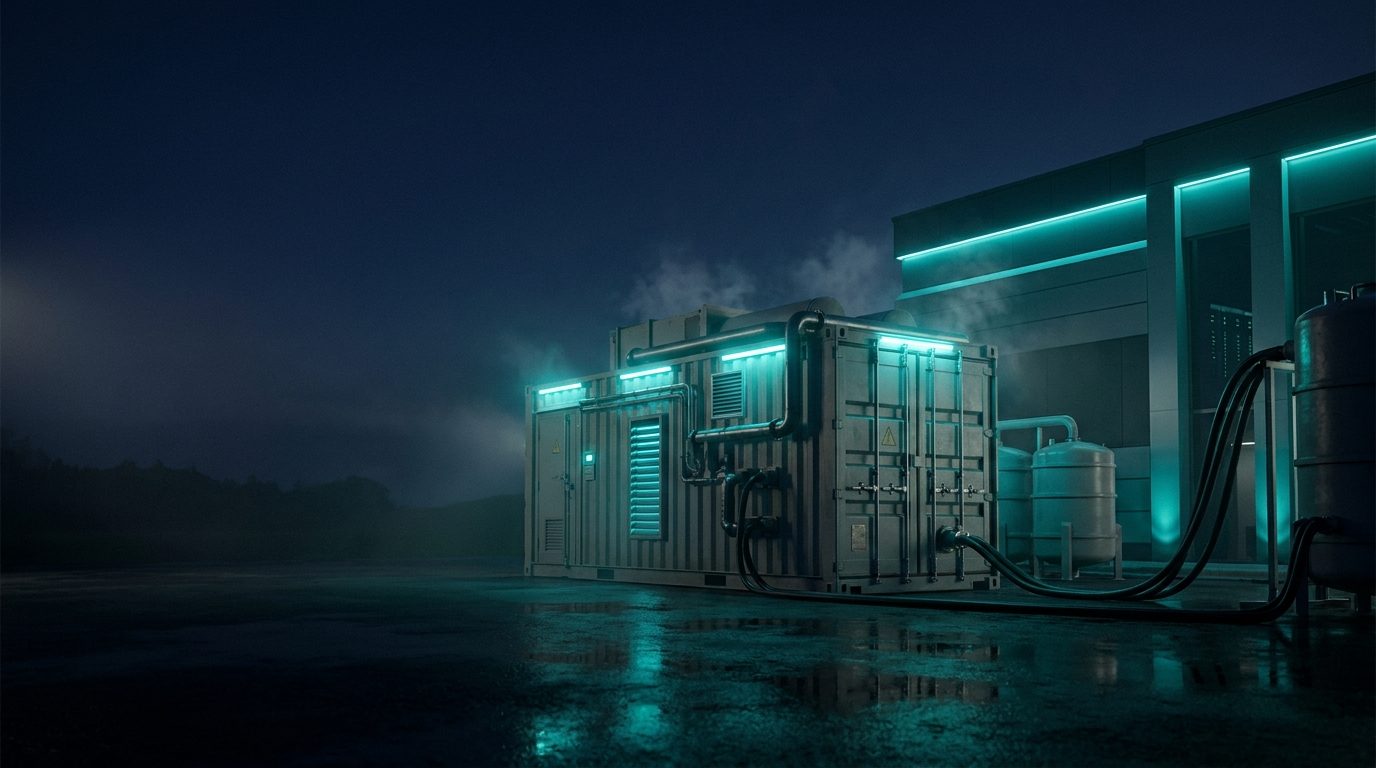
One core platform. Multiple paths to deployment.
The three TES models extend one foundational architecture across power, water, industrial carbon utilization, remote infrastructure, and resilience markets.
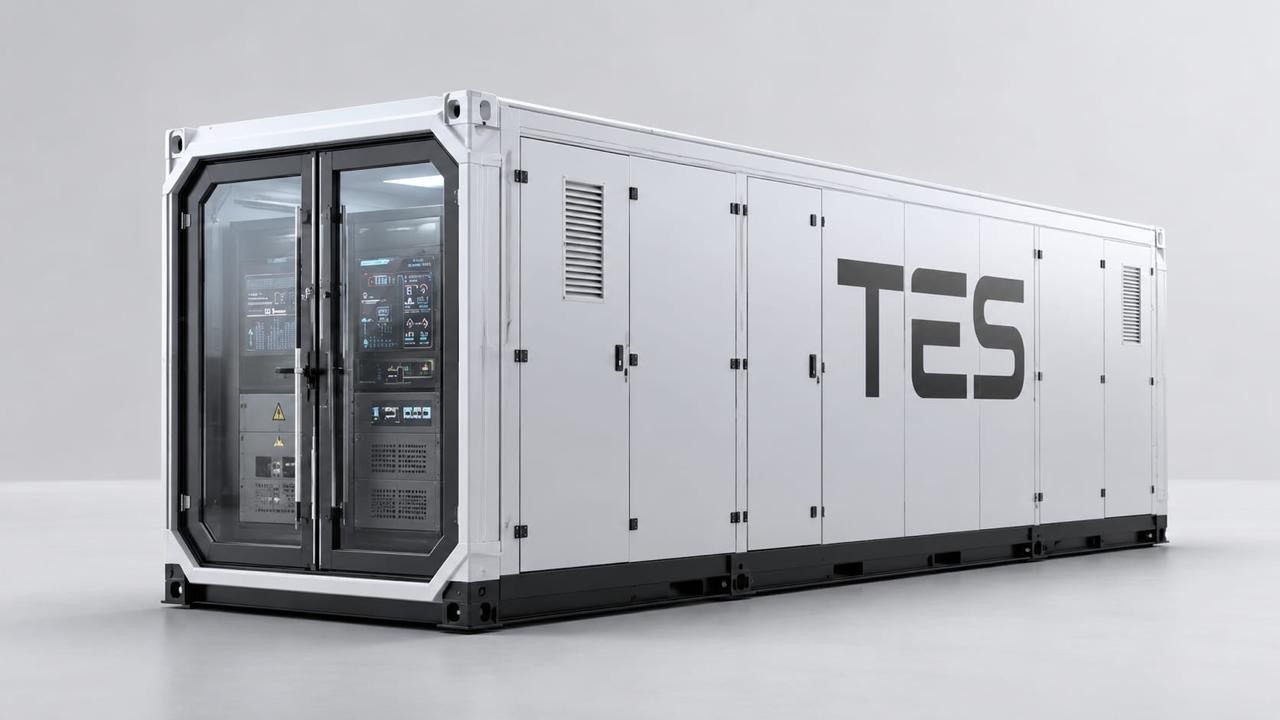
Drop and go power and water
The Standard TES model is preloaded, containerized, and designed for dependable power and recoverable water without requiring a constant on site CO₂ source.
Net power target / Recoverable water target
Example Use Cases:
Remote and off grid sites
Power and water support for locations with limited grid access or difficult fuel logistics.
Behind the meter power
On site generation for facilities seeking greater control over energy reliability and resilience.
Data centers and critical facilities
Modular power support for operations where uptime and infrastructure resilience are essential.
Hospitals and emergency infrastructure
Dependable on site power and recoverable water for critical community services.
Marine and port operations
Containerized deployment for ports, coastal infrastructure, and marine operating environments.
Humanitarian and defense operations
Transportable infrastructure for austere, temporary, remote, and emergency deployments.
FEMA/disaster relief
Transportable power and recoverable water for disaster response and recovery.
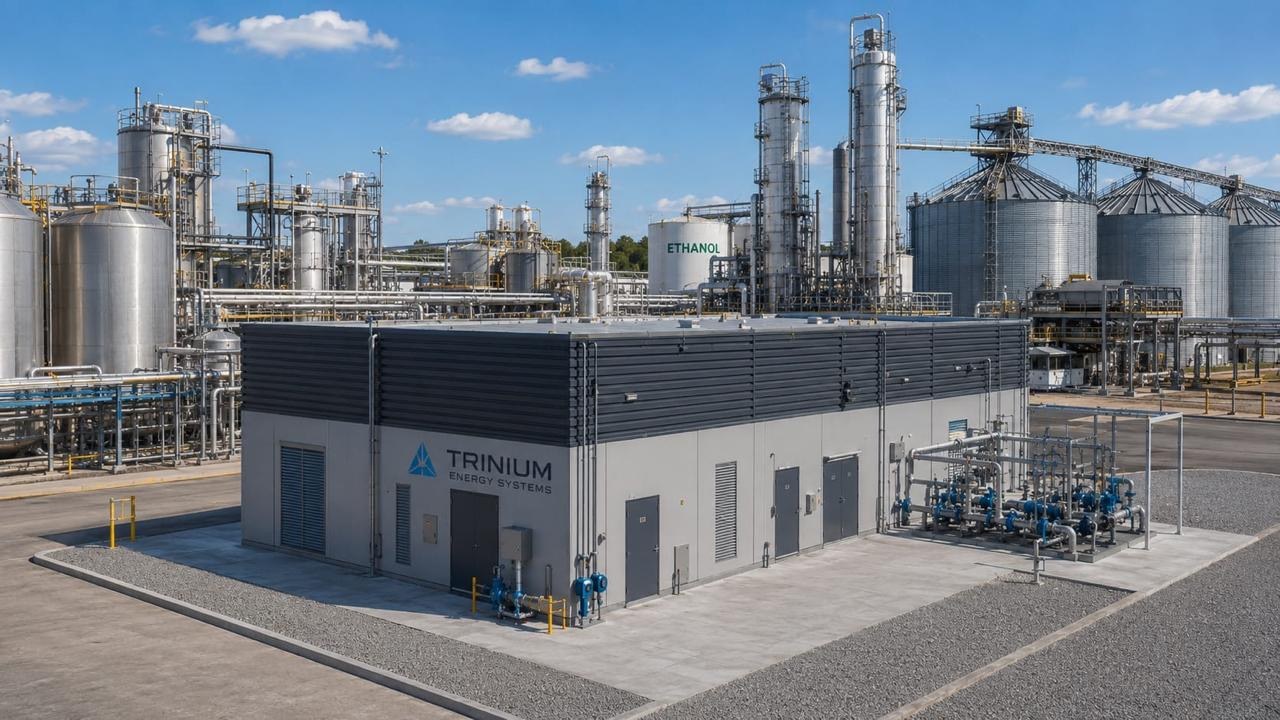
Industrial power, water, and carbon utilization
The TES Industrial Facility model connects with industrial or already captured CO₂ streams for on site carbon utilization, fuel regeneration, power production, and recoverable water. It can also serve industrial sites that simply need greater on site power and water output, with or without an available CO₂ source, since the system operates on preloaded TES fuel.
Net power target / Recoverable water target
Example Use Cases:
Ethanol and renewable fuels
A practical pathway to integrate carbon utilization, power resilience, and recoverable water within fuel production environments.
Ammonia and hydrogen
On site infrastructure support for energy intensive facilities with suitable managed carbon streams.
Industrial processing
Modular power and water infrastructure for facilities seeking greater resilience and productive carbon utilization.
Data centers
On site power, water, and carbon utilization for facilities that need dependable infrastructure.
Economically undeveloped regions
Modular power and water where grid and water infrastructure are limited.
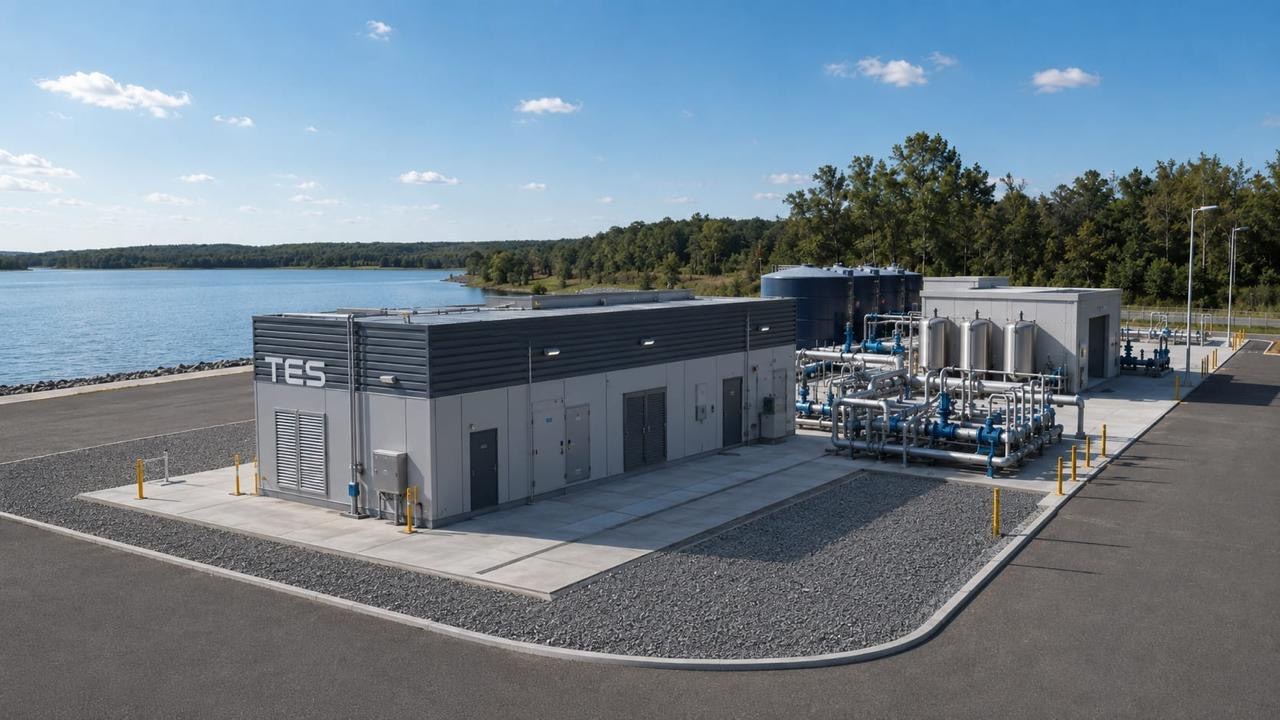
Water priority infrastructure
The Industrial Water Plant model is a water priority configuration that routes the unit's full energy output back into system operations, maximizing throughput and recoverable water production for deployments where water is the primary objective.
Recoverable water target
Example Use Cases:
Agriculture and irrigation
Water support for agricultural operations, irrigation systems, and water constrained production environments.
Industrial water support
Recoverable water for treatment and potential use as industrial process, make up, or maintenance water.
Community water resilience
A modular water support pathway for communities with constrained or vulnerable water infrastructure.
Reservoir and storage replenishment
Water production support for tanks, reservoirs, and other managed storage systems.
Humanitarian response
Transportable water priority infrastructure for disaster response and emergency operations.
Remote and defense water support
Water production support for remote, austere, and mission driven locations.
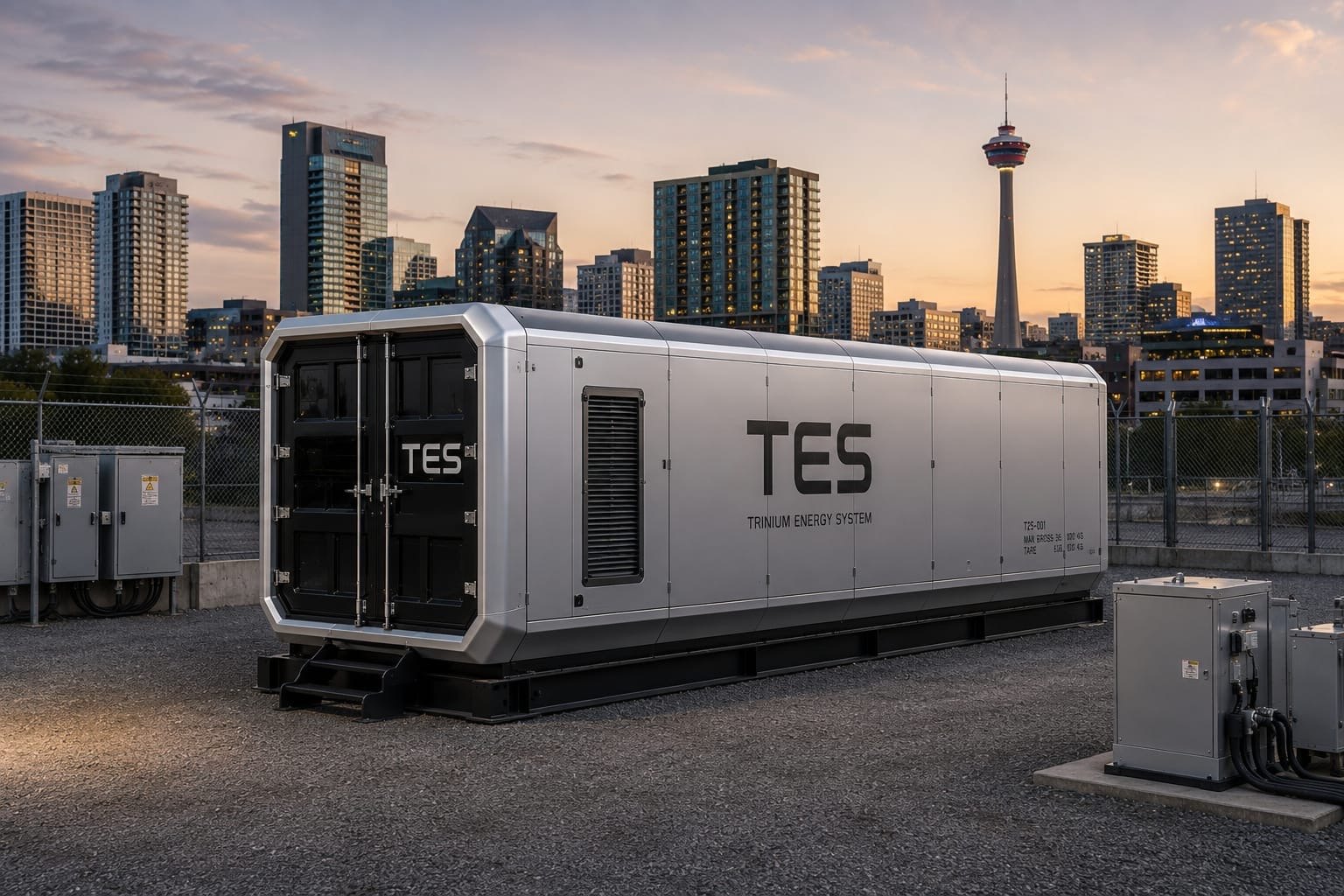
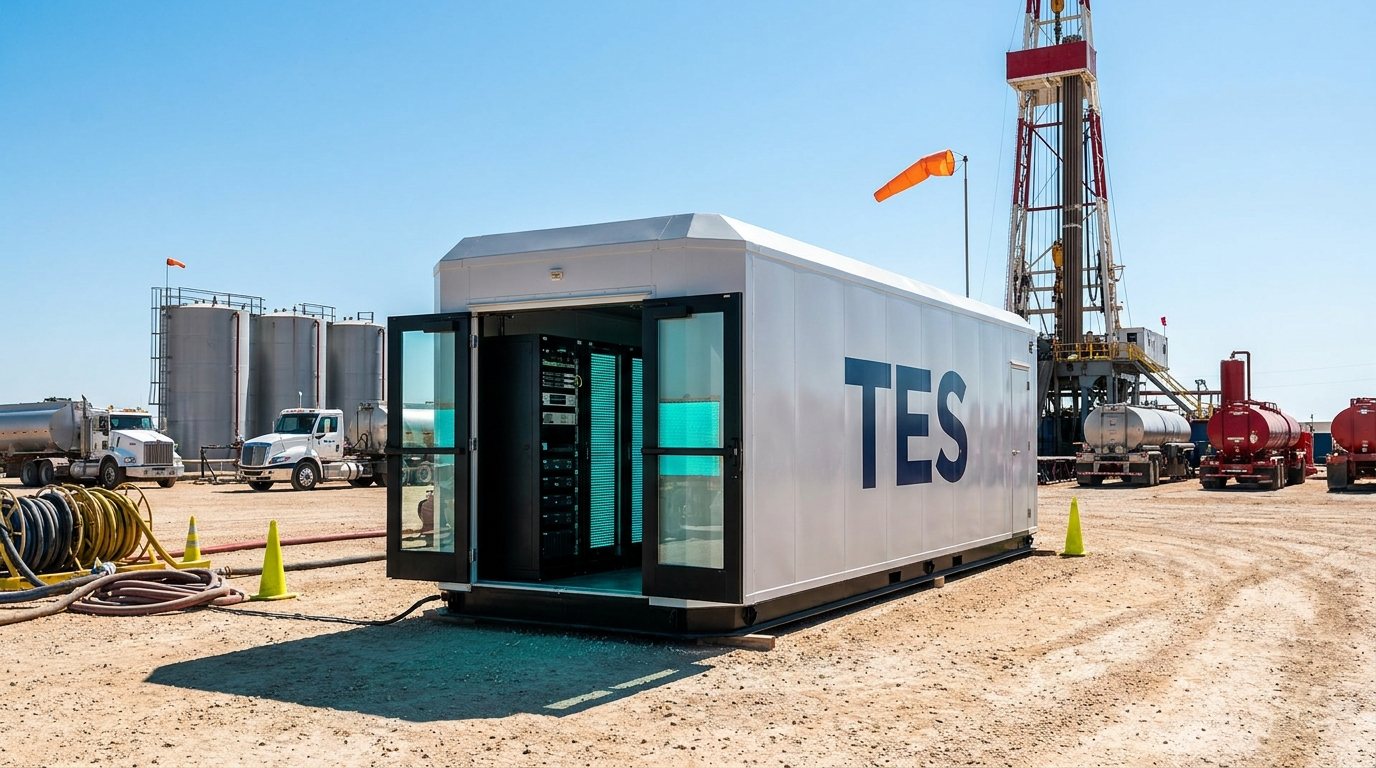
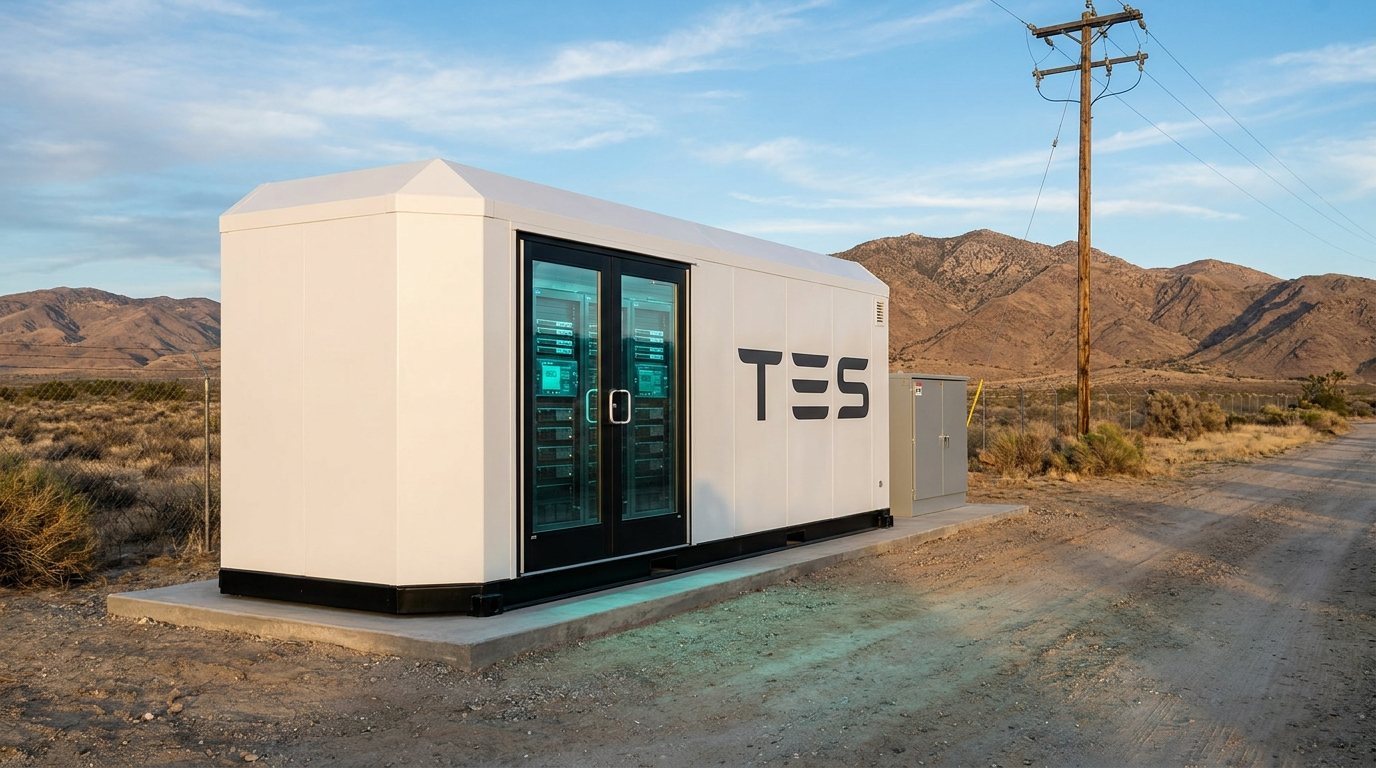
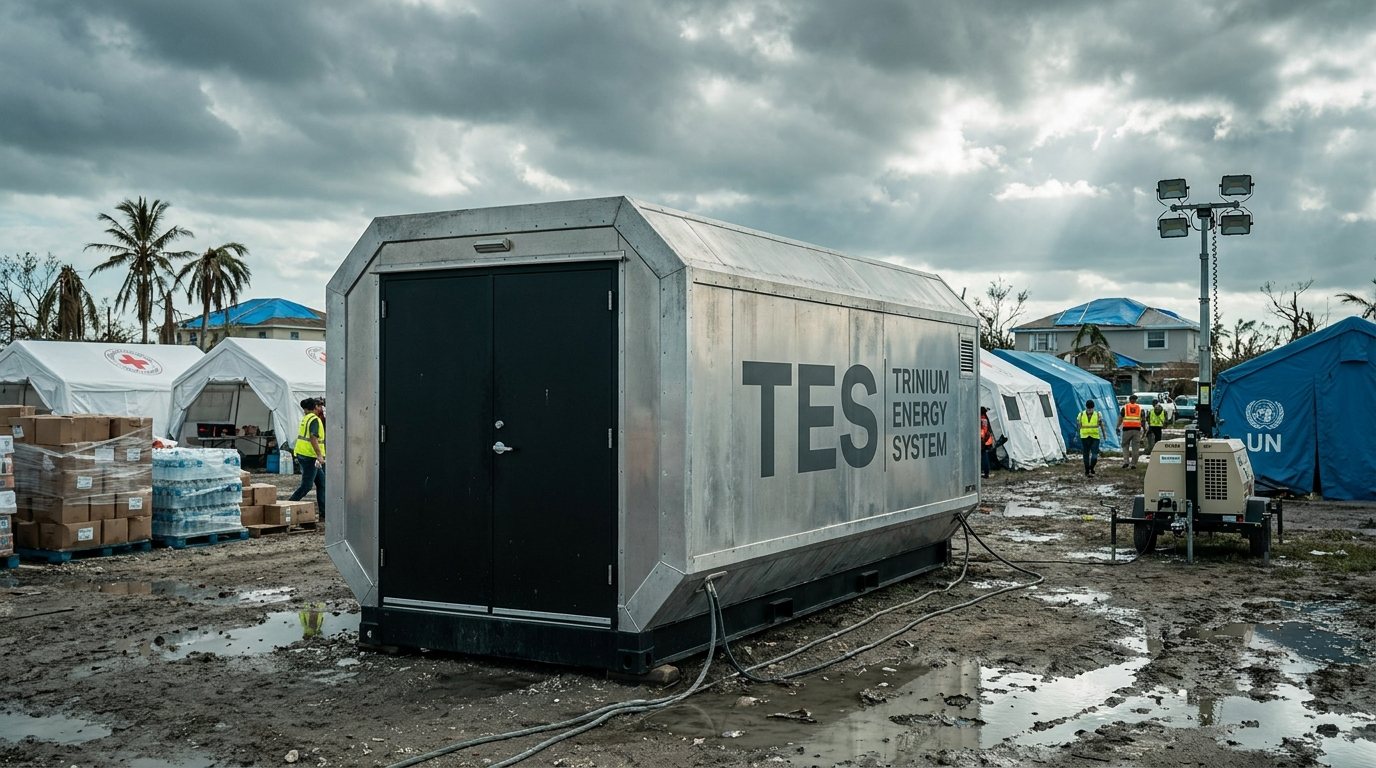
One platform. Any environment.
From city grids to austere sites, the same system architecture is used for each model.
More than one revenue and deployment path
The three model TES platform creates multiple commercialization pathways from one core architecture, pursuing high value energy, water, industrial, resilience, and carbon utilization opportunities without developing a separate technology platform for each market.
Modular scaling
Deploy one unit or connect multiple units as power and water requirements grow.
Reduced fuel logistics
The Standard TES model is designed around a preloaded fuel inventory and internal regeneration rather than constant fuel delivery.
Power and water from one platform
TES addresses two essential infrastructure requirements within one integrated system.
Flexible deployment strategy
Different models support cities, industrial sites, remote locations, and water priority environments.

Explore a TES deployment for your operation
CIVIS Tech Global is engaging with industrial operators, pilot hosts, infrastructure developers, strategic partners, and organizations seeking dependable power, recoverable water, and practical carbon utilization pathways.