The Water Energy Nexus: Producing Power and Clean Water From One System
Water and energy are two sides of the same infrastructure coin. Treating them separately is how regions end up short of both.
A hidden dependency
Generating electricity often consumes water, for cooling, for steam, for processing. Moving, treating, and distributing water consumes electricity. This mutual dependency is called the water energy nexus, and it's usually invisible until one side runs short.
Freshwater stress is turning that hidden dependency into a front line issue. Drought, groundwater depletion, and rising competition for usable water now pressure municipalities, agriculture, industry, humanitarian operations, and defense alike. For many facilities and regions, water is no longer just a utility bill, it's an operational and economic risk.
Two problems, one system
If power and water are linked, the efficient move is to address them together. A system that produces reliable electricity and usable water from the same process tackles two infrastructure needs with one footprint.
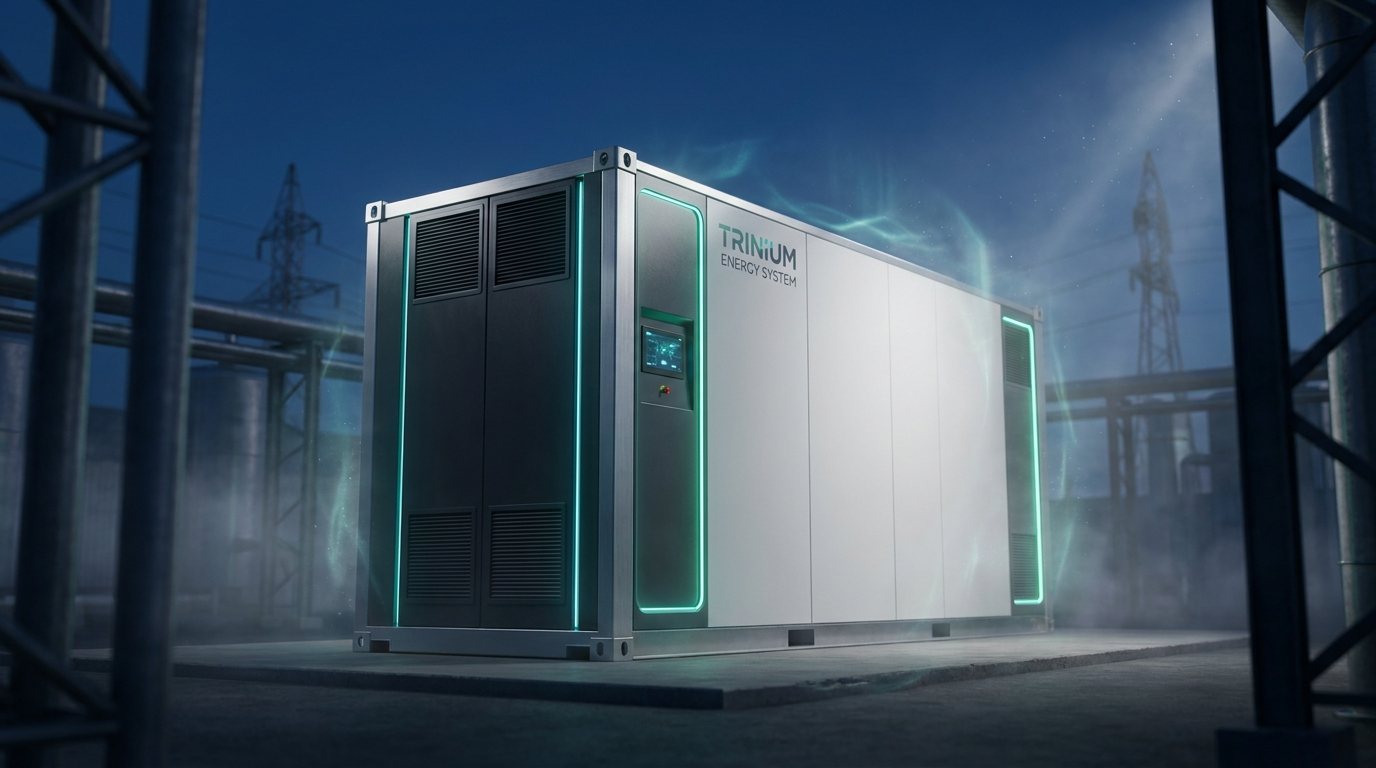
That's a core design principle of the Trinium Energy System. Alongside dispatchable power, TES generates recoverable water as a natural byproduct of operation, typically a target of 350 to 400 gallons per day per Standard unit. For a remote site, a data center, or a disaster relief deployment, that combined output is far more than the sum of its parts.
Where water is scarce and power is unreliable, a system that delivers both isn't a convenience, it's resilience.
Where it matters most
- Agriculture & communities facing irrigation and drinking water stress.
- Industry & data centers needing make up water and firm power.
- Humanitarian & defense operations in austere environments.
By configuring the same architecture for power priority or water priority, one platform can meet very different missions, which is exactly what resilient, adaptable infrastructure requires.
Frequently asked
It's the interdependence between water and energy: producing energy uses water, and treating and moving water uses energy. Stress on one side quickly affects the other.
The Trinium Energy System generates recoverable, usable water as a natural byproduct of its electrochemical process, alongside power, addressing two infrastructure needs from one system.